Huron Clean Water Project
Huron Clean Water Project Update
On March 18, Huron County Council passed the 2026 budget. This was a particularly challenging budget year, and Council was required to identify opportunities for significant cost savings. As a result of these budget decisions, the Huron Clean Water Project grant program will be finished at the end of 2026 and new project grants will no longer be available after this time.
The available grant categories for 2026 and the intake and project completion deadlines are provided in the information below.
The Huron Clean Water Project (HCWP) provides financial and technical assistance to Huron County residents to improve and protect water quality in Huron County. It is funded by the County of Huron and service delivery is provided by Ausable Bayfield and Maitland Valley conservation authorities.
- Clean Water Projects help protect the health of soil, water, and people.
- Clean Water Projects help keep bacteria, chemicals, and nutrients out of creeks, rivers, and Lake Huron.
- Clean Water Projects help to protect the water underground in aquifers.
- Groundwater is the source of water for private wells and municipal wells for many of our homes, farms, villages and towns, and businesses.
- Funding from the County of Huron is combined with other cost-share programs and landowner contributions and used to protect water quality on Huron County farms and rural properties.
- The total value of past projects completed is more than $18.5 million. That’s good for the environment and the economy!
Huron Clean Water Project Funding FAQ
What is the Huron Clean Water Project Fund?
The Huron Clean Water Project (HCWP) is a fund that supports water quality projects in Huron. It is one of the most successful on-the-ground water quality improvement projects in Ontario.
Funding from the County of Huron is combined with other cost-share programs and landowner contributions and made available to local farmers, rural landowners, businesses and community organizations. These funds are accessed through a grant application process. The grants help offset the costs for projects that improve and protect water quality on Huron County farm, non-farm rural, residential and commercial properties.
Funds are distributed through the Maitland Valley Conservation Authority (MVCA) and the Ausable Bayfield Conservation Authority (ABCA) who deliver the program on behalf of the County.
Since 2004, Huron County residents have completed more than 4,325 stewardship projects with funding from the Clean Water Project program. The total value of past projects completed is more than $18.5 million.
What types of projects has the Huron Clean Water Project funded previously?
To date, Huron Clean Water Project grants have helped residents:
-
4,325 projects completed
-
$18.5 million total reported project costs
-
Planted 830, 867 trees
-
643 wells decommissioned
-
438 wells upgraded
-
50,000 acres of cover crops
-
Over 275 kilometres of windbreaks
-
309 erosion control projects
-
118 unused liquid manure storages decommissioned
What projects are eligible for funding in 2026?
|
PROJECTS ELIGIBLE FOR FUNDING |
MAX GRANT |
|
Rural Stormwater Management & Wetland Creation Creating or restoring wetlands to help hold water on the landscape, and allow it to infiltrate and recharge groundwater. Wetlands also provide diverse habitats. |
$6,000 |
|
Invasive Species Management Controlling invasive species that negatively affect important ecosystems and water quality. |
$3000 |
|
Tree Planting and Naturalization Planting, trees, shrubs, and native plants. Includes reforestation, buffer strips along watercourses, windbreaks, and pollinator plantings. |
$5000 |
|
Forest Management Plans Supporting sustainable forest management by connecting landowners with professional foresters. Professional foresters assist with management plans, and harvest advice to optimize forest health. |
$1000 |
Who is eligible for funding?
Limited funding assistance, covering up to 50% of the costs of eligible projects, is awarded to Huron County farmers, landowners, businesses and community organizations.
County of Huron funding can be combined with other sources such as the Canada-Ontario Environmental Farm Plan cost-share program, Canada Nature Fund, and Forests Ontario tree planting subsidy programs.
How do I apply for funding?
For questions or assistance with the application process, please contact:
Maitland Valley Conservation Authority
Ben Van Dieten
Stewardship Projects Lead
519-335-3557 ext. 245
bvandieten@mvca.on.ca
or
Ausable Bayfield Conservation Authority
519-235-2610 ext. 263 or 1-888-286-2610
Nathan Schoelier
Stewardship and Conservation Lands Manager
nschoelier@abca.ca
In 2026, project applications must be submitted by one of the following intake deadlines:
- Wednesday, June 3, 2026
- Wednesday, September 9, 2026
The deadline for completing projects approved in 2026, and submitting invoices is November 30, 2026.
Huron Clean Water Project funding will no longer be offered after these intake deadlines as the Project is being discontinued at the end of 2026.
Note: For projects that were previously approved before December 31, 2025, the deadline for completing the project and submitting invoices is August 31, 2026.
Who can I contact to learn more?
Maitland Valley Conservation Authority
Ben Van Dieten
Stewardship Projects Lead
519-335-3557 ext. 245
bvandieten@mvca.on.ca
Ausable Bayfield Conservation Authority
Nathan Schoelier
Stewardship and Conservation Lands Manager
519-235-2610 ext. 263 | 1-888-286-2610
nschoelier@abca.ca
Clean Water FAQ
Why is clean water vital for our community?
Clean water is vital to our health, communities, and economy.
- People depend on clean water for their health and well-being.
- Healthy ecosystems provide habitat for wildlife and promote biodiversity.
- Huron’s local economy depends on clean water for things like manufacturing, agriculture, tourism and culture, recreation, and much more!
By working together to protect Huron County’s water quality, we will help to ensure a sustainable and vibrant future for our community.
How can land stewardship benefit Huron's waterways?
The health of Huron County’s rivers, lakes, and waterways depend on the streams and wetlands where they begin. Streams and wetlands provide many benefits to communities by trapping floodwaters, recharging groundwater supplies, filtering pollution, and providing habitat for fish and wildlife.
How can I benefit from participating in the Huron Clean Water Project program?
Participating in the HCWP helps with the costs of stewardship projects that improve and protect water quality, soil and forests for today and for future generations. Conservation Authority staff provide free technical assistance and advice to help do projects in a way that helps the landowner and the environment. Staff also provide links to other sources of funding to help cover costs. These projects are good for you and everyone who lives downstream.
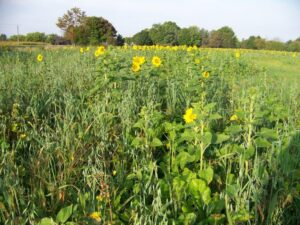
What is a cover crop?
Cover crops are one of the most frequently funded projects of the HCWP and have many benefits to both the landowner and the community.
Cover crops are non-commercial crops planted help to protect water quality and build soil health by reducing loss of nutrients and topsoil, reducing the amount and speed of water running off of land, and reducing the wind speed at ground level which reduces wind and water erosion and the speed of water runoff.
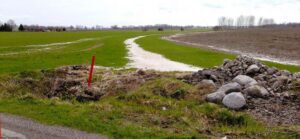
What is erosion control and why is it important?
The HCWP funds projects that help reduce and prevent erosion – keeping soil on fields to grow crops Eroded soil transports nutrients, bacteria and other pollutants to water bodies. Eligible projects include grassed waterways, water and sediment control basins, and riverine bank protection.
How can tree planting in agricultural and rural areas benefit both the farm and the community?
The HCWP funds planting native trees and shrubs to control erosion and protect watercourses. Planting trees along watercourses protects the banks and reduces run off. Trees are often planted on erosion-prone, sloped lands and flood plains that aren’t profitable for farming. Treed windbreaks along field edges or watercourses reduce wind speeds that can erode valuable topsoil.
Learn more about the kinds of trees to plant in Huron County:
https://www.abca.ca/forestry/trees/types
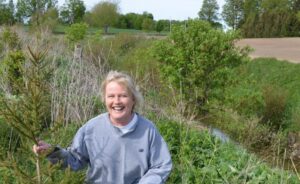
Landowner Profiles
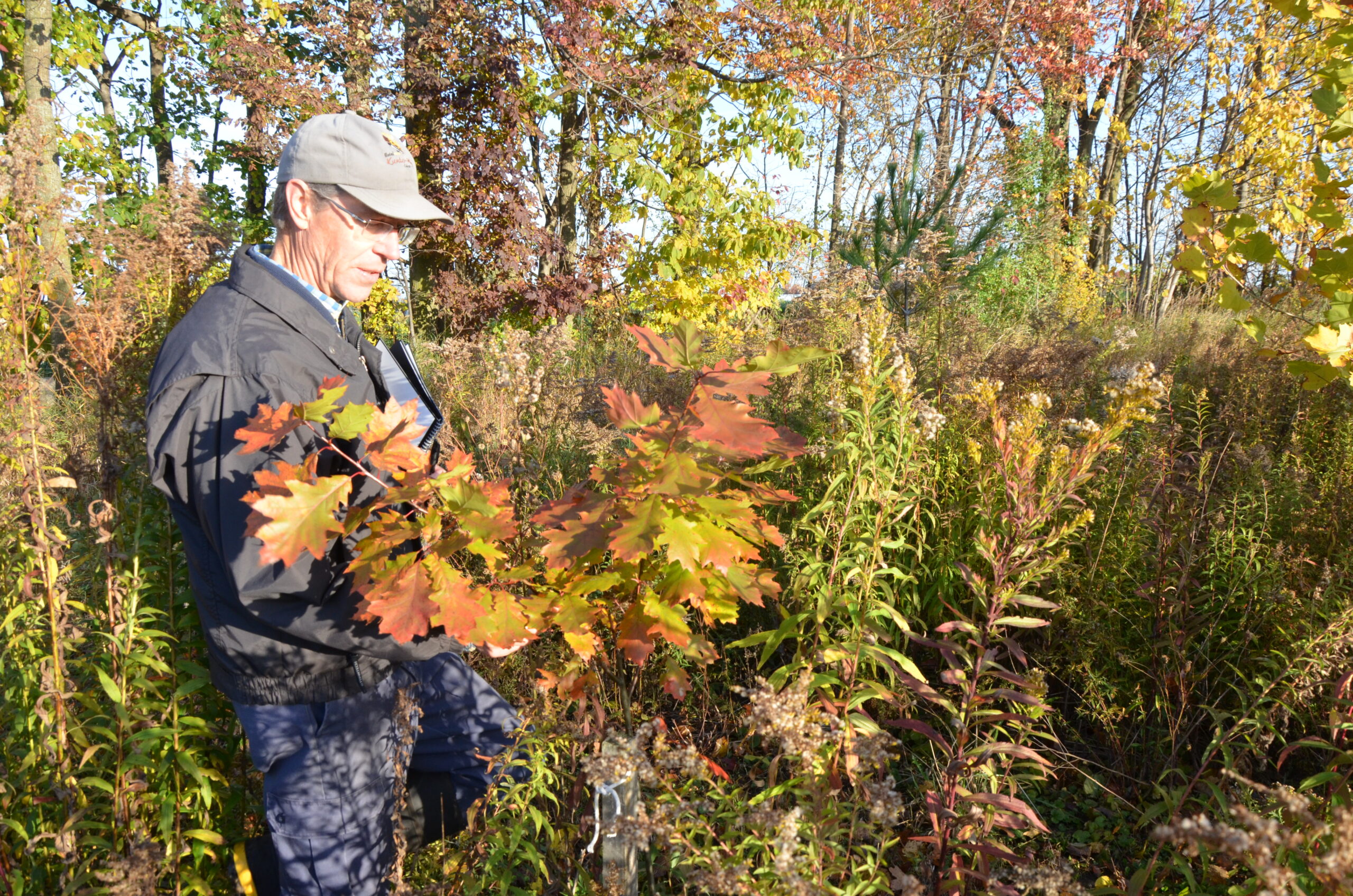
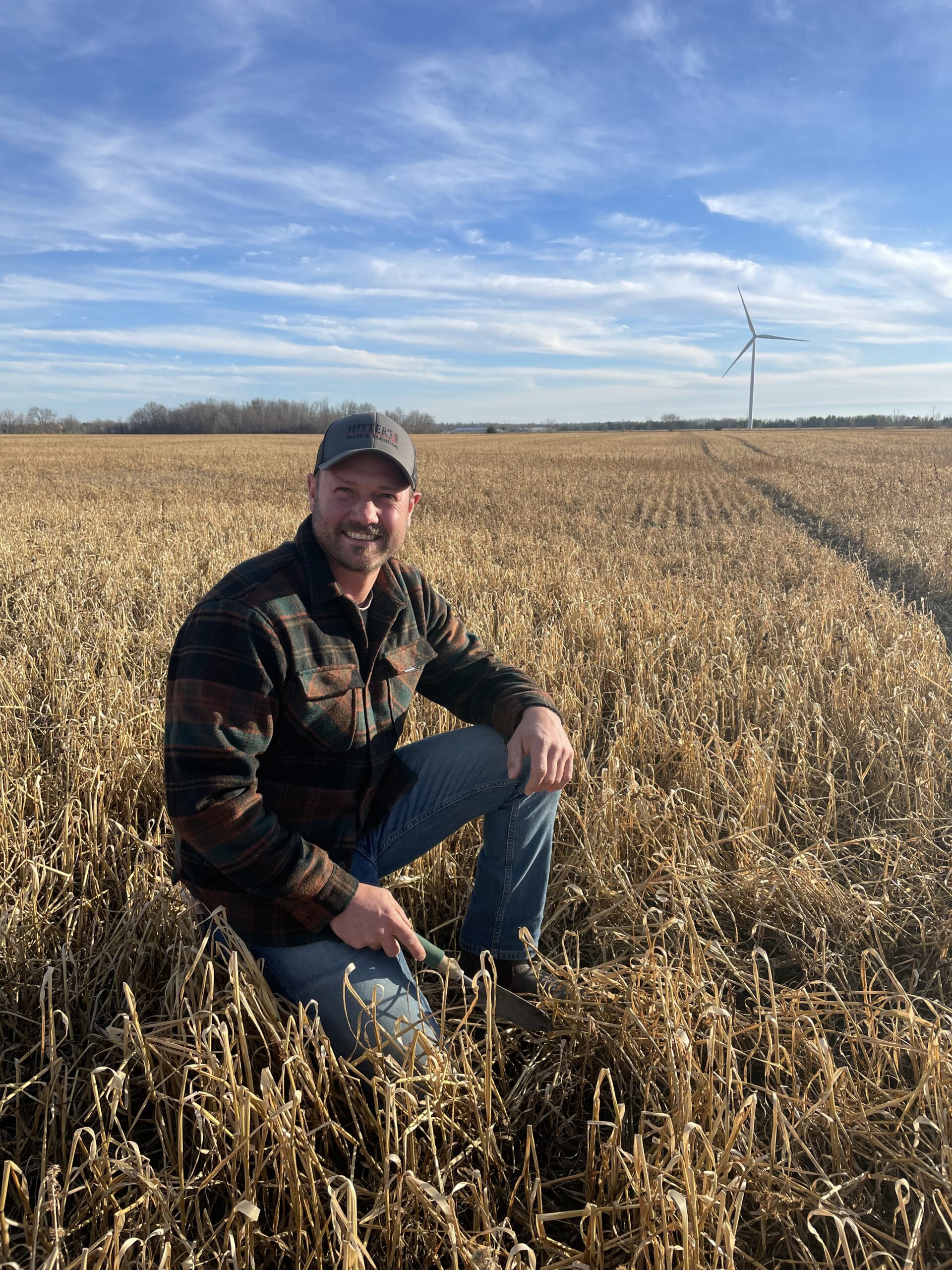
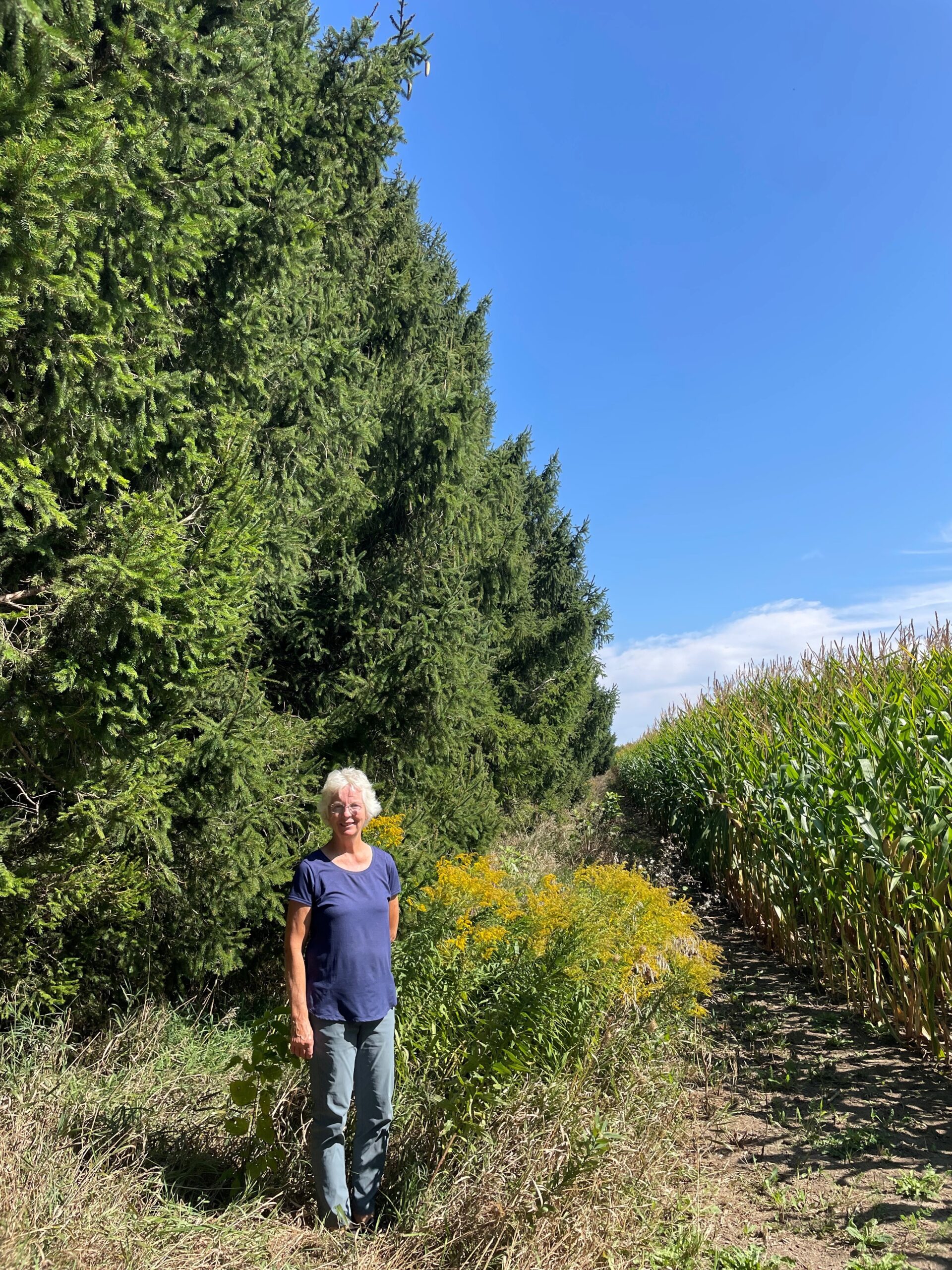
Landowner Stewardship Guides
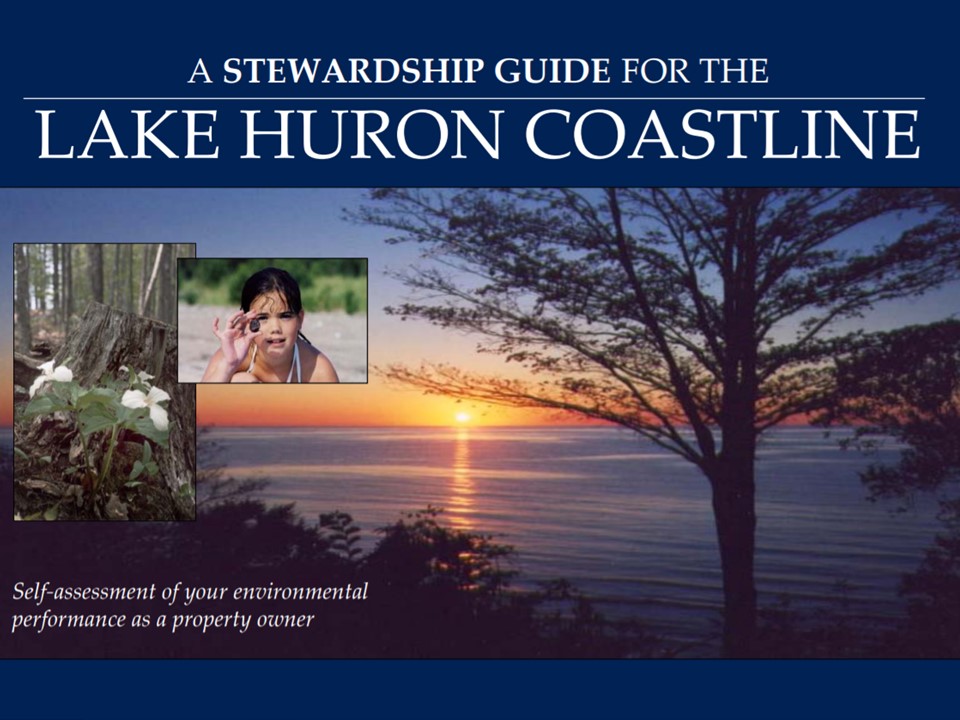
A Stewardship Guide to the Lake Huron Coastline
Working together we can protect the quality of our water – both groundwater and surface water such as streams, rivers, ravines, creeks, wetlands and lakes.
A new workbook-style guide developed by the County’s Water Protection Steering Committee and citizen’s groups emphasizes the role of lakeshore residents and non-farm property owners in protecting this precious resource in a responsible and collective way.
This publication helps participants assess their property, buildings and structures, and identify areas where they are impacting the local environment and water quality. By protecting water quality, you are also protecting your investment as a property owner or resident in this landscape.
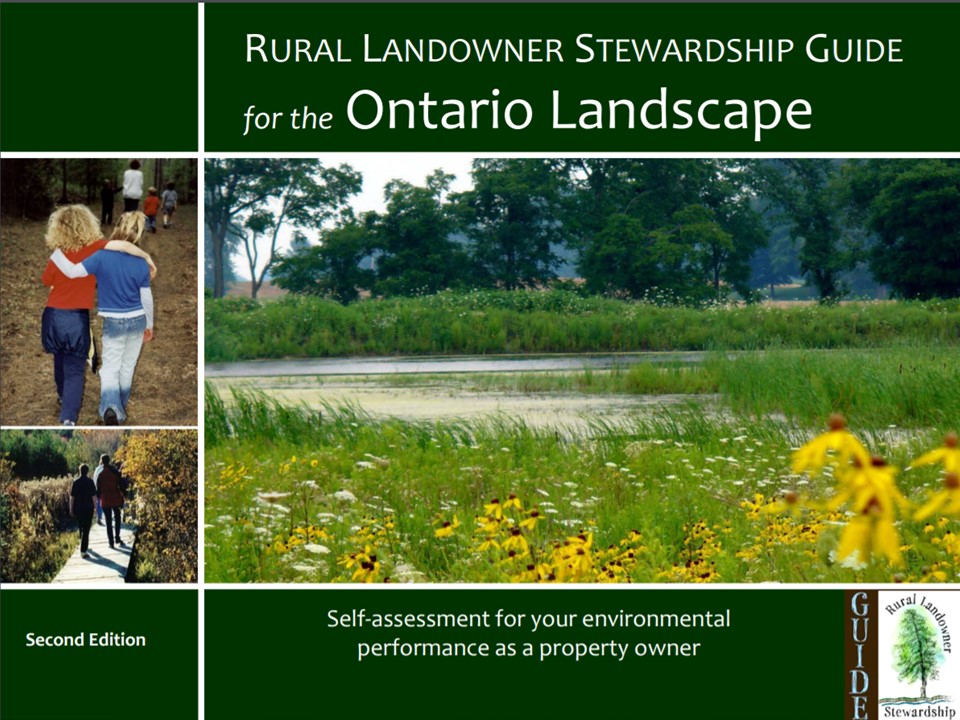
Rural Landowner Stewardship Guide
The Rural Landowner Stewardship Guide Program was developed as a response to the awareness that the health of the rural landscape depends upon the actions of all rural landowners, and not of farmers alone.
The overriding goal of the Rural Landowner Stewardship Guide is to protect and enhance the quality of our natural environment – both groundwater and surface water such as streams, rivers, ravines, creeks, wetlands and lakes, and the natural landscape features that support these ecosystems.
Both Landowner Stewardship Guides were developed by Ausable-Bayfield Conservation Authority; County of Huron Planning & Development; Friends of the Bayfield River; Huron Stewardship Council; Lake Huron Centre for Coastal Conservation; University of Guelph.
Long-term soil health and climate solutions of riparian buffers
Resources
Find licensed well contractors
Use this Ontario directory to find licensed well contractors:
Well water testing
Huron Perth Public Health provides free bacterial water testing services to all Huron and Perth county residents on a private well. It is recommended that you test your well water a minimum of three times a year, preferably in the spring, summer and fall.
https://www.hpph.ca/classes-clinics-services/well-water-testing/
Find certified soil erosion control contractors
Find a list and interactive map of soil erosion control contractors certificate holders.
https://www.ontario.ca/page/soil-erosion-control-contractors-certificate-holders
Our Partners